
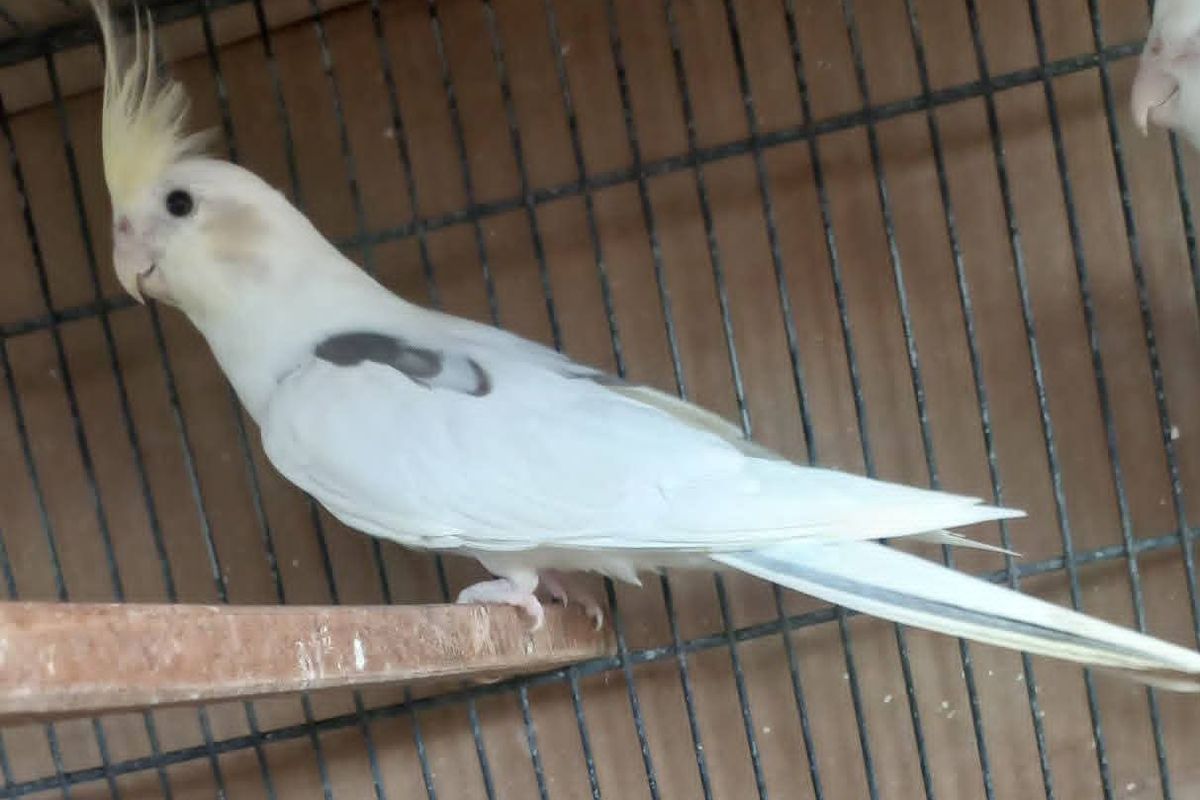
Wing and Toenail Clipping for Pet Birds: A Safe Owner’s Guide
Wing and Toenail Clipping for Pet Birds: A Safe Owner’s Guide
Why Clip Your Bird’s Wings?
Wing clipping is painless when done right. Keeping the flight feathers trimmed serves 3 main purposes:
1. *Prevents escape* through open doors and windows
2. *Prevents injury* from panic flights — many cockatiels have broken wings, beaks, or even their necks after getting spooked and crashing into cages or walls.
3. *Makes training easier* because the bird relies on you instead of flying away
*Important:* A clipped bird can’t fly away from danger like dogs, cats, or ceiling fans. After clipping, you become fully responsible for your bird’s safety.
How to Clip Wings Correctly
A proper clip still allows your bird to glide down safely. If your bird drops straight to the floor, you’ve clipped too much. That can cause breast bone injuries on hard tables or wood floors.
Step-by-step:
1. Trim *4 to 5 primary flight feathers* from *each wing*. Keep it even on both sides.
2. Test by letting the bird fly from your hand. If it can still gain height, take 1–2 more feathers off each wing.
3. *Never cut the secondary feathers.* They are needed for balance and gliding.
Feathers will need to be trimmed again after the next molt.
Do NOT pull feathers out. Plucked feathers grow back in 6–8 weeks. Cut feathers grow back only after molting.
The clipping process:
It’s easier with 2 people — one to hold, one to clip.
Hold the bird on its back and extend one wing. From underneath you can spot “blood feathers” — new feathers with blood in the shaft. Never cut these. Wait until they’re fully grown.
Also avoid cutting the small under-wing coverts or the bird will bleed.
Start with the outermost primary and work inward. Make clean cuts with sharp scissors.
If you’ve never done it, ask your avian vet or an experienced breeder to demonstrate the first time.
Why and How to Trim Toenails
Toenail trims also go smoother with 2 people. Keep styptic powder like “Quick Stop” nearby in case of bleeding.
*Who needs trims and when:*
*Pets:* Regular trims make handling easier
*Show birds:* Trim before show season
*Breeders:* Trim before pairing so males don’t scratch hens, and so eggs and chicks don’t get punctured
How to trim:
Use regular human nail clippers. Usually just taking off the sharp tip is enough.
The big risk is cutting the “quick” — the vein and nerve inside the nail. On light nails you can see it. On dark nails you can’t.
The quick runs about 2/3 to 3/4 of the way down the nail. If nails get too long, the quick grows longer too and bleeding becomes more likely.
A healthy nail curves downward and makes about a 90-degree angle.
If you nick the quick, apply styptic powder immediately to stop bleeding.
Bottom Line
Wing and nail trims are about safety and handling, not punishment.
Done properly, your cockatiel can still glide safely, and you’ll have a calmer, easier-to-handle pet.
When in doubt, have a vet or breeder show you first
Junaid Ansari
Karachi, Pakistan 🇵🇰