Vitamin A & Carotenoids in Cockatiels:
Vitamin A & Carotenoids in Cockatiels:
What Breeders Need to Know???
*1. Why Vitamin A is Essential*
Vitamin A plays a key role in *eyesight, cell growth, reproduction, and immune health*.
Most vitamin A guidelines for birds come from farm poultry like chickens and turkeys. But there’s a big difference:
Commercial birds hatch ready to go — with feathers, open eyes, and able to eat on their own.
Cockatiels hatch helpless — no feathers, eyes closed, needing parents for everything.
Because of this different start in life, their vitamin needs may also be different. But since no specific data exists for cockatiels, we still use poultry requirements as a base.
*2. Carotenoids vs. Pre-formed Vitamin A*
Giving birds *carotenoids from plants* may be a better option than giving direct vitamin A from animal sources. Reasons:
1. *Matches their natural diet*: Wild cockatiels eat seeds, leaves, fruits and some insects. That’s mostly plant pigments, not animal retinol.
2. *Safer*: The body only converts carotenoids to vitamin A when needed. This lowers the risk of overdose. With retinol, excess gets stored and can become toxic.
Not every animal can convert carotenoids though. Before changing a diet, we need to know if that species can do the conversion. It depends on their natural feeding habits, the type of carotenoid, and their metabolism.
*3. What We Know About Cockatiels*
Wild cockatiels are mostly *grain and seed eaters*. They’ll also eat insects and greens when available.
The problem: *Commercial seeds have almost no vitamin A*. So wild birds must get it from other sources like bugs or plants.
From this, we can assume 2 things:
1. Cockatiels are *not designed to eat large amounts of retinol*
2. Cockatiels *can convert carotenoids* into vitamin A
Studies also show cockatiels *store vitamin A very well in the liver*. They can go a long time without dietary vitamin A.
But this also makes them prone to *vitamin A toxicity* if we over-supplement. At the same time, *deficiency is still possible* — and the first sign is often a weakened immune system, before you see anything else.
Research proves that *β-carotene works as a vitamin A source* for cockatiels. Chicks fed β-carotene grew normally and developed feathers well. Scientists also found the enzyme in their gut that converts β-carotene to vitamin A.
*4. Vitamin A: Fat-Soluble & Tricky to Manage*
Like vitamins D, E, and K, vitamin A is *fat-soluble*. That means it’s stored in fat and liver and can’t be peed out.
This makes toxicity a bigger concern than with water-soluble vitamins. The safe range is narrow — too little causes deficiency, too much causes toxicity.
Vitamin A also *breaks down easily* with heat, light, and poor storage. That’s why many seed mixes and pellets are over-fortified, which can lead to excess.
*Dietary sources:*
- *Retinol*: Animal-based, or synthetic like retinyl palmitate
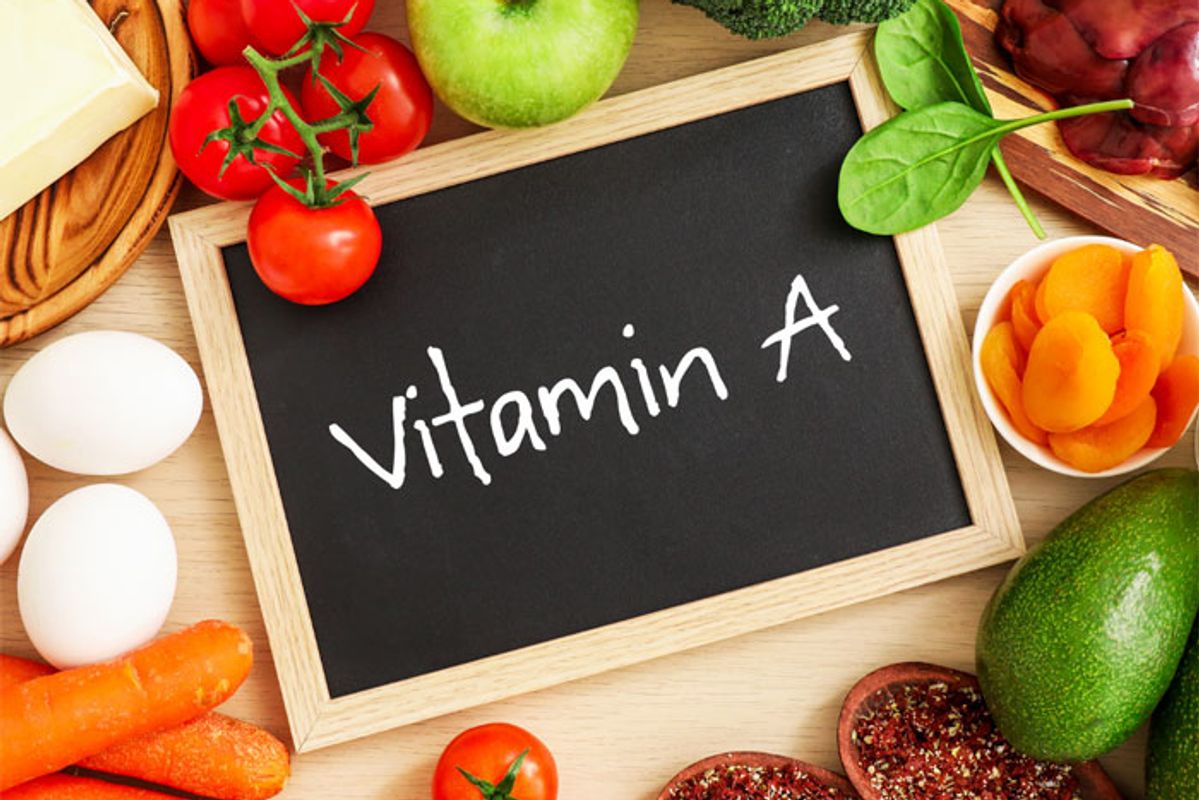
- *Carotenoids*: Plant-based. β-carotene is the most common. 1 molecule of β-carotene = 2 molecules of vitamin A. Only ∼50 of 600 carotenoids can convert to vitamin A.
Carotenoids also help with *feather color* and *immune support*.
Seeds are naturally deficient in vitamin A. So any seed-based diet must be supplemented. But many supplements are extremely high: 25,000 to 100,000 IU.
*5. The Bottom Line for Cockatiel Owners*
Cockatiels did not evolve eating large amounts of animal vitamin A. They evolved using *carotenoids from plants*.
They store vitamin A efficiently, so both deficiency and toxicity are risks.
*Best practice:* Focus on β-carotene from foods like carrots, sweet potato, dark greens, and bell peppers. It meets their needs without the toxicity risk of high-dose retinol.
Also, *store all food and supplements properly* to prevent vitamin A loss.
More research is needed to see how other companion birds use β-carotene, but for cockatiels the evidence is clear.
*References: Klasing 1998, Koutsos & Klasing 2003, 2005*
Zee Aviary | http://www.zeeaviary.com*