
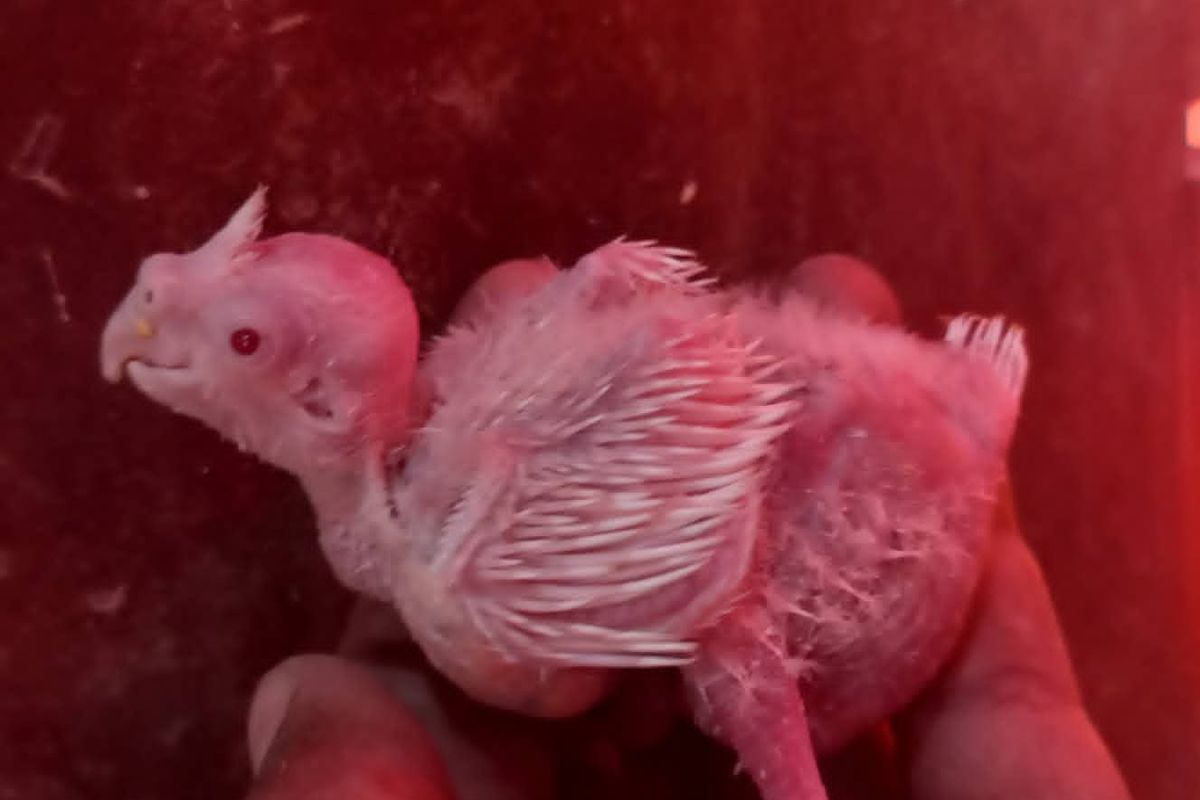
Sour Crop in Baby Cockatiels
Sour Crop in Baby Cockatiels
A lot of breeders use the term *”sour crop”* to mean a crop that isn’t emptying on time.
But thinking of it as its own disease can mislead you. There’s no specific “sour crop germ" or “sour crop fungus.”
Slow crop emptying is always a symptom of something else. Common triggers are: brooder too cold, formula too cold, the chick swallowing bedding, or an underlying bacterial or yeast infection.
Red Flags
You need to act when:
1. The crop is still full when the next feeding is due
2. The crop isn’t empty first thing in the morning
What To Do Immediately
*1. Warmth + Paper Towels*
Move the chick into a warmer brooder — around 97-98°F. Just below the point where it starts panting.
Remove all bedding and switch to paper towels so you can monitor droppings. If the chick is still pooping, that means the digestive tract hasn’t completely shut down.
*2. Call an Avian Vet*
A vet can run a gram stain to check for yeast, bacteria, or other causes.
They can also safely empty and flush the crop, then give medication for the root problem plus drugs to stimulate crop movement.
If You Can’t Get To A Vet: Empty The Crop Yourself
Leaving old formula in the crop is dangerous. Bacteria and yeast in the environment will multiply there and turn a minor issue into a critical one. This is true even if the original cause was just cold formula.
*Avoid “milking” the crop by flipping the chick.*
It does expel contents, but chicks often inhale it and die within minutes to hours. I stopped doing this after losing chicks that way.
*Safer method: Soft rubber catheter + syringe*
Keep #10, #12, #14, and #16 catheters on hand. Fit the large end onto a 60cc catheter-tip syringe.
Gently insert the other end into the crop and pull the plunger to draw contents out.
Smaller catheters clog fast, especially with millet or bedding. If it blocks, empty into a cup, inspect it, and repeat until the crop is mostly clear.
*What you see in the crop tells you a lot:*
*Pine shavings or whole millet* = impaction
*White, cottage-cheese-like bits* = likely Candida yeast
*Slimy, foul-smelling material* = probable bacterial infection
For very young chicks, the tube may be too big. Then you’re forced to “milk” the crop. It’s risky, but leaving it full guarantees a slow death from dehydration and starvation.
After Emptying: Flush and Refeed
Yes, you put liquid back in just to take it out again. This helps clear leftover material.
Return the chick to the warm brooder.
If available, give 0.5cc of *Nystatin*. It’s the standard for yeast. It’s not absorbed, so it’s safe. It works by contact and only works if the crop is empty.
After 5 minutes, give 5-10cc of warm boiled water or pediatric electrolyte.
If that passes in 2-3 hours, start the next feed with very diluted formula. Over about 24 hours, gradually thicken it back to the normal 2:1 water-to-powder ratio.
*Key point: Hydration matters more than food.* Chicks die of fluid loss long before they starve. Electrolyte solution is better than plain water.
If liquids aren’t moving, get to a vet ASAP. They can give IV fluids and injections to restart crop motility.
*For minor cases:* If only a little food is left overnight, try 5-10cc electrolyte + gentle crop massage. If the chick defecates within an hour, you can likely recover with fluids, then thin feeds.
Rule: Never feed new food over undigested food.
About Foul-Smelling Droppings
If chicks from parents have stinky poop, it’s often a bacterial infection passed from adults E. coli or Clostridium are common. Giardia can cause it too. This usually requires antibiotics.
Ideally you’d do a culture and sensitivity test to know exactly what you’re treating. Without that, many experienced breeders keep *Enrofloxacin* on hand for emergencies with a vet’s approval.
*Caution:* Antibiotics can trigger yeast blooms. Vets often prescribe Nystatin alongside antibiotics for unweaned chicks.
I’ve successfully treated “stinky poop” with Enrofloxacin + Nystatin, but using antibiotics first can make later culture tests unreliable.
Vets won’t give you prescription drugs to self-medicate on day one. It took years of working with my avian vet before we had that trust. In the beginning we handled everything over the phone.
*Breeding tip:* If the same pair keeps producing chicks with sour crop or smelly droppings, the parents are likely carriers. Treat the adults before breeding them again.
Last Note
Many people think big parrots are harder to hand-raise. In my experience, cockatiels are worse.
They seem to get more bacterial and yeast crop problems during hand-feeding than any other species I’ve worked with.