
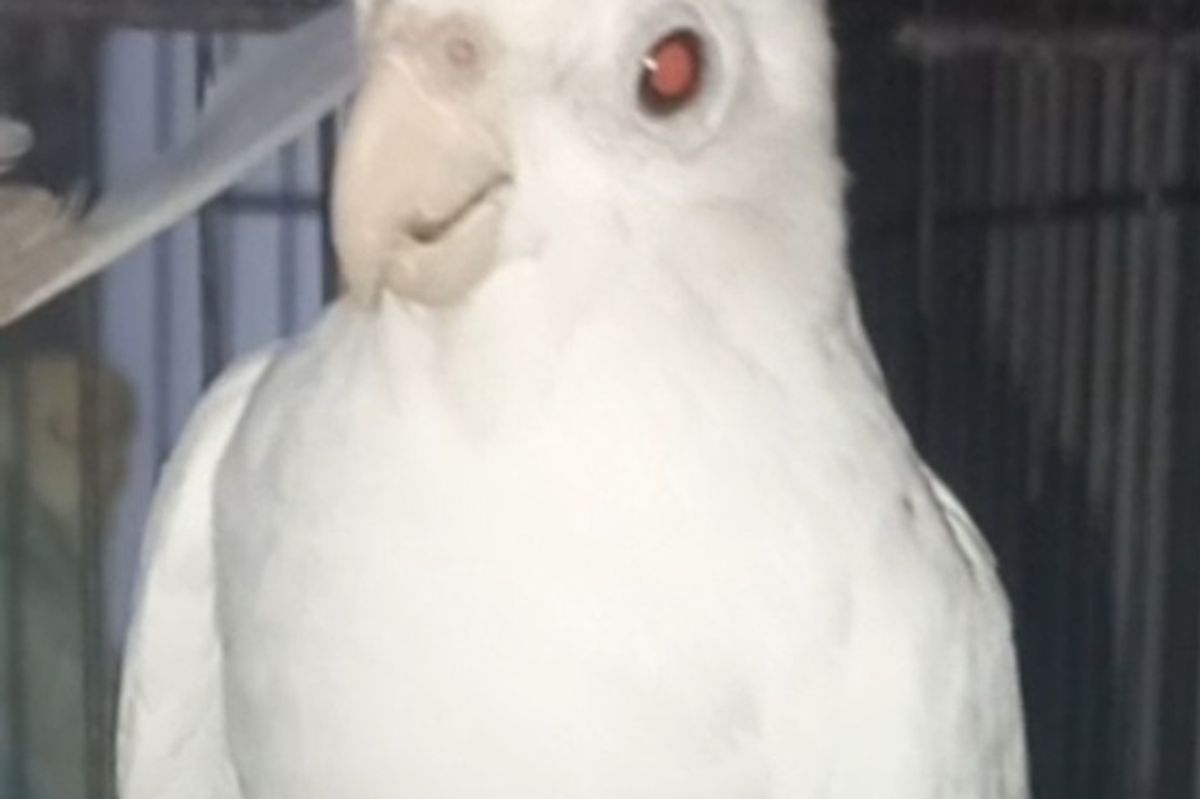
”Psittacosis - Parrot Fever”
*”Psittacosis - Parrot Fever”
What Is Psittacosis?
Psittacosis is also called “Parrot Fever", “Ornithosis", or “Chlamydiosis”. It’s a common bird disease caused by bacteria called *Chlamydia psittaci*.
It might feel like this disease is more common now, but that’s mostly because vets have better testing. The actual number of cases hasn’t gone up much.
How Does It Spread?
Birds catch it mainly by *breathing in dust from infected droppings or feathers*. It spreads faster when sick birds are close to healthy ones and actively shedding bacteria.
That’s why it’s most common in:
- Newly imported birds
- Birds in pet stores
- Birds boarded with other birds
Stress makes birds shed more bacteria.
*Important:* A bird does NOT need to look sick to spread Chlamydia.
What Are The Signs?
There’s no one “classic” sign. Symptoms look like many other illnesses:
- Not eating and losing weight
- Tired, depressed, quiet
- Watery green droppings
- Runny eyes or nose
- Sudden death
Many birds carry the bacteria and seem fine until stress hits. Stress, breeding, or illness can trigger it. Parent birds can pass it to chicks, who may die in the nest or at weaning.
Young birds get hit much harder than adults.
How Do Vets Diagnose It?
It’s not easy to confirm in a live bird. It depends on species, how long ago exposure happened, and the bird’s overall health.
Chlamydia also weakens the immune system, so birds often get other bacterial or viral infections at the same time. Because those are easier to find, Chlamydia gets missed.
There are lab screening tests, and new in-clinic tests are coming. But no single test catches it 100% of the time.
Your avian vet may diagnose it based on history, symptoms, x-rays, and bloodwork.
There’s also a new blood test that checks if the bird is making antibodies against it.
*If Psittacosis is suspected, start treatment immediately* — don’t wait for final test results.
Treatment
If one bird tests positive, your vet will either treat all exposed birds or test them first and only treat positives.
The sick bird must be isolated right away.
Treatment details:
- Success depends on species, age, other illnesses, and immune system
- Medicine can be given orally, by injection, or mixed in soft food
- Medicine in water does NOT work
- Your vet will choose the drug and method
- Minimum treatment: 45 days
- Supportive care may also be needed
*There is no immunity.* Birds can get re-infected even after full recovery.
During Treatment, You Must:
1. Clean everything with a disinfectant your avian vet recommends
2. Be careful when handling droppings
3. Keep feather dust to a minimum
4. Isolate any other birds showing early signs
5. Keep elderly, pregnant, sick, and small children away from birds during early treatment
6. Remove all calcium supplements — calcium blocks the medicine
7. Reduce stress in the bird’s environment
Retest after treatment. Birds can still carry it even if they look better.
*In severe cases:* If an aviary has major losses and repeated treatments fail, euthanasia may be recommended for persistently infected birds.
How To Prevent It
1. *Vet check + Chlamydia test* for every new bird right after purchase
2. *Buy from reputable breeders* who test for Chlamydia
3. Quarantine all new birds for 6 weeks minimum
4. *Test breeding flocks regularly* for Chlamydia
| Zee Aviary | http://www.zeeaviary.com
Good biosecurity stops Psittacosis before it starts