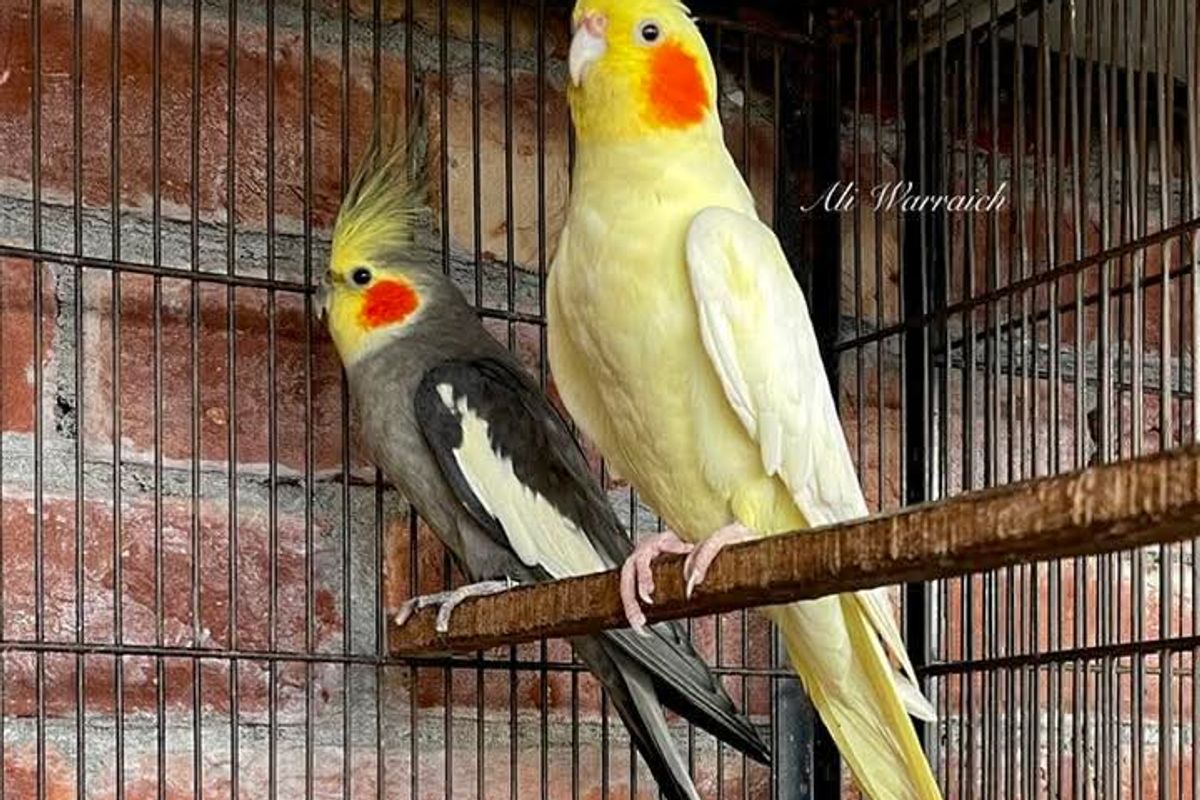
Lutino Cockatiels
Lutino:
A thoughtful and informative analysis of the bird’s characteristics and breeding potential.
Key Observations
1. Cheek patch size: A concern, but may improve with age.
2. Lutino strain: Tends to lack larger cheek patches.
3. Genetic compatibility: Mixing different lines can compound underlying issues.
Breeding Recommendations*
1. Introduce a visual Lutino hen With prominent cheek patches to increase the chances of offspring displaying larger cheek patches.
2. Pair with Grey/Lutino male: May improve cheek patch size in offspring.
3. Alternative pairing Pair the best Lutino hen with her father to determine if the issue is inherent to the line.
General Advice
1. Test breeding: Necessary to confirm genetic traits.
2. Line breeding: Can help identify and fix underlying issues.
3. Selection: Choose breeding stock with desirable traits.
Future Directions
1. Monitor offspring Track the development of cheek patches in future generations.
2. Refine breeding strategy Adjust breeding pairs and strategies based on observations and results.
3. Continuously evaluate Assess the quality and characteristics of your birds to make informed breeding decisions.
From my observations, the Lutino strain you have tends to lack larger cheek patches, which might explain why your chicks consistently develop slightly smaller ones. Sometimes, even when both parents are strong birds, the expected quality doesn’t always manifest in their offspring. This can be due to several factors, including genetic compatibility, especially when mixing two entirely different lines. If luck isn’t on your side, combining different lines can sometimes result in compounding multiple underlying issues rather than improving traits.
With the pairing combination you mentioned (Grey/Lutino x Grey) the chances of producing visual Lutinos are low. With just one offspring, it’s challenging to determine whether the problem lies in the gene or elsewhere. Additionally, male offspring would possibly be split to Lutino, but this cannot be confirmed without test breeding which is an exercise. In your case, both parents must carry the Lutino gene to increase the chances of visual Lutino offspring, allowing for a better assessment of their cheek patches. I would suggest introducing a visual Lutino hen with prominent cheek patches into your breeding program. Pairing such a hen with your Grey/Lutino male may increase the likelihood of offspring displaying larger cheek patches. Alternatively, pairing the best Lutino hen you have right now back with her father can help determine whether the issue is inherent to the line or if other factors are influencing the outcome.
Courtesy : #Ali Warraich bhai, #SK Jadoon
Pakistan 🇵🇰