
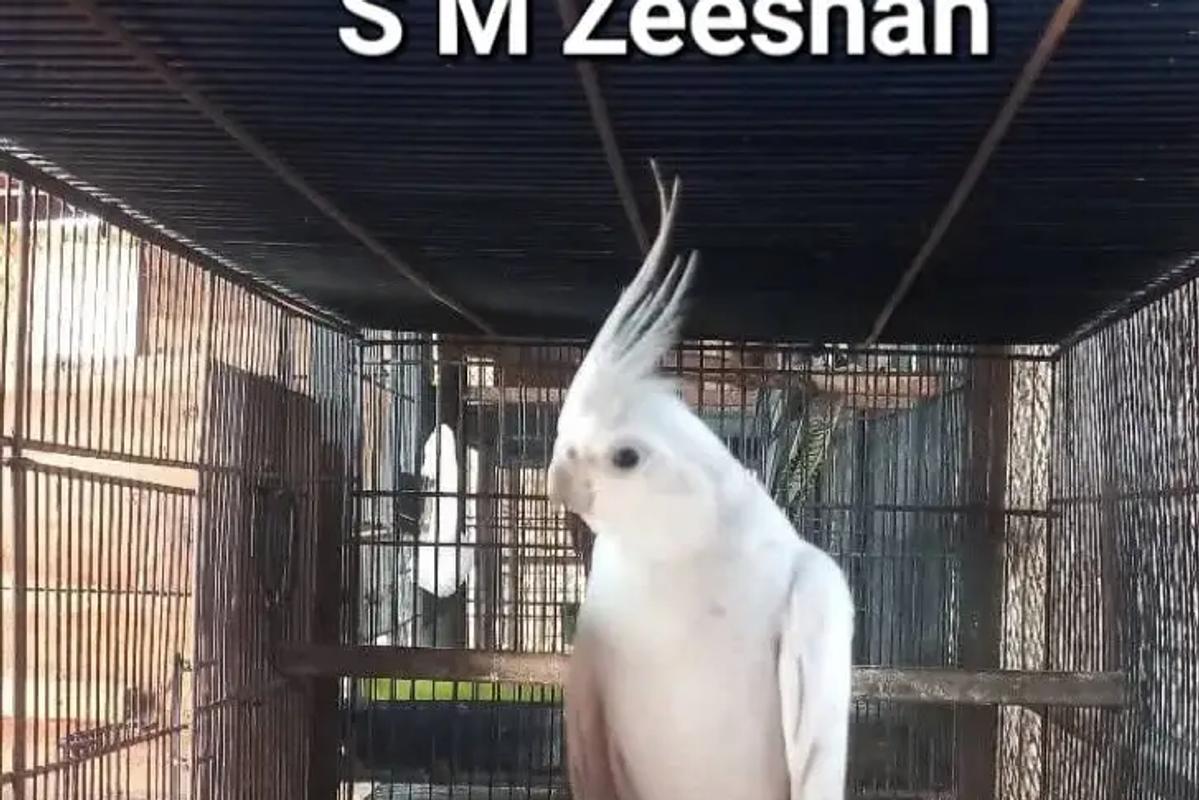
Cockatiels Crossing Perches/Sticks/Pots/Wood
Crossing perch/sticks/pots
Yes, it's normal behaviour for male cockatiels to rub their vent area on perches or other surfaces. This behaviour is called "vent rubbing" or "cloacal rubbing.""
Male cockatiels have a reproductive organ called a cloaca, which is located beneath the vent area (the area under the tail). Vent rubbing is a way for males to express sexual behaviour, mark their territory, and even self-soothe.
However, it's essential to monitor this behaviour and ensure it's not excessive or accompanied by other signs of illness, such as:
- Discharge or wetness around the vent
- Straining or difficulty passing droppings
- Changes in appetite or behaviour
- Feather plucking or excessive preening
In the meantime, provide your male cockatiel with a new tray cage without sticks to keep him stimulated and satisfied. You can also try rotating his environment to reduce any potential frustration or boredom that might be contributing to vent rubbing behaviour.
Female:
It's also normal behaviour for female cockatiels to rub their vent area on perches or other surfaces, although it's less common than in males. Female cockatiels may exhibit vent rubbing behaviour for a few reasons:
1. *Marking territory*: Like males, females may rub their vent area to mark their territory and establish a sense of ownership.
2. *Hormonal fluctuations*: Females may experience hormonal changes that lead to vent rubbing, especially during breeding season or when stressed.
3. *Itch or discomfort*: Females may rub their vent area due to itchiness or discomfort caused by a medical issue, such as a yeast infection or bacterial overgrowth.
4. *Nesting behaviour*: Female cockatiels may rub their vent area on perches or pots as a way to prepare for nesting, even if they're not breeding.